
Spending Audit Checklist: Find Where Your Money Is Quietly Leaking

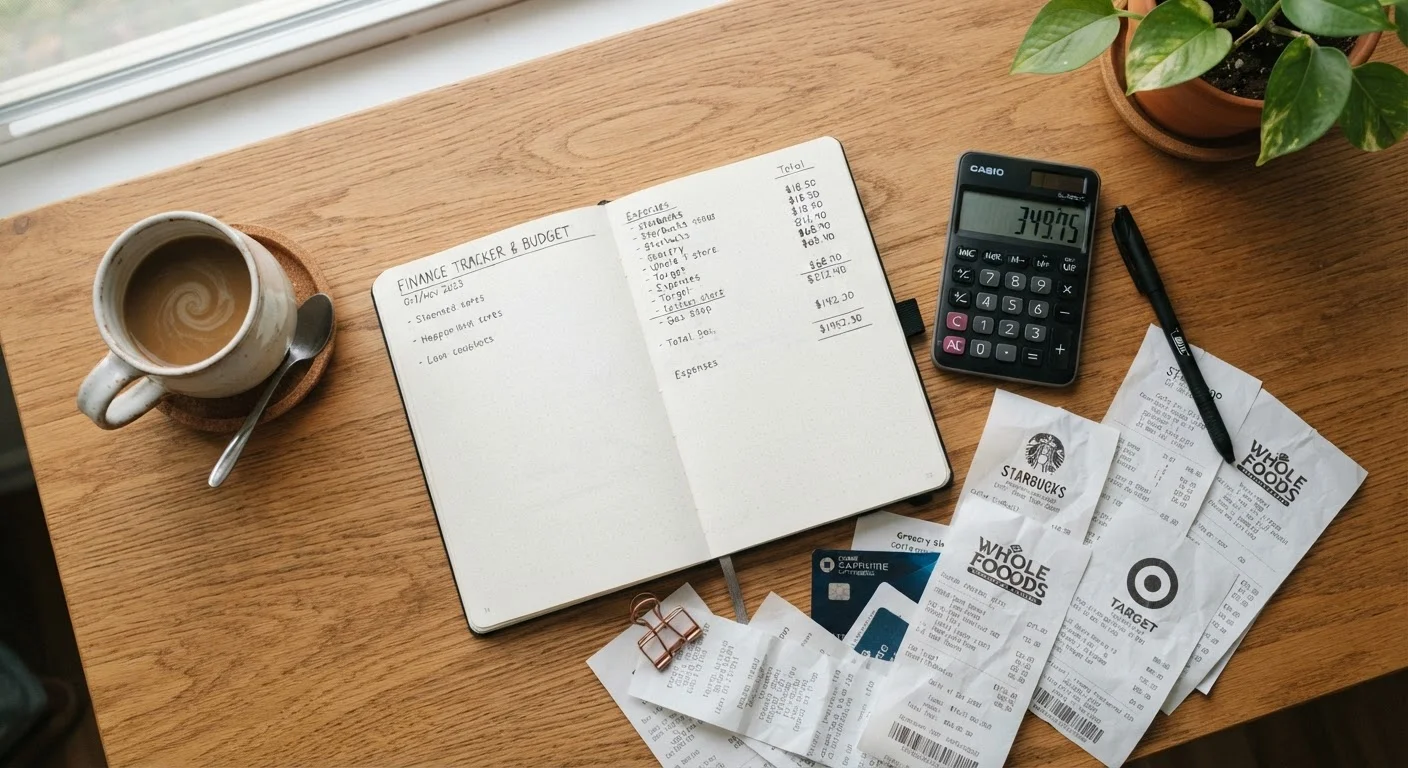
Photo: AdvisorBooth.net editorial
Key Takeaways
- Most households have at least a few recurring charges they've forgotten about entirely.
- Reviewing bank and card statements line by line is the most reliable way to surface hidden leaks.
- Subscription sprawl, unused memberships, and auto-renewals are the most common culprits.
- Small daily habits - coffee runs, impulse adds-to-cart - add up significantly over a year.
- A spending audit is not about cutting everything; it's about spending intentionally on what matters.
Why a Spending Audit Is Worth Your Time
Most people don't lose money in one dramatic event. It disappears in $12 increments - a streaming service watched twice a year, a gym membership you keep meaning to cancel, a premium app tier you upgraded during a free trial and forgot to downgrade. These small charges are easy to overlook precisely because they're automatic and unremarkable.
A spending audit is a deliberate, periodic review of where your money is actually going - not where you think it's going. Research consistently shows that people underestimate their discretionary spending, especially on subscriptions and digital services. This checklist gives you a structured way to close that gap.
For a broader approach to managing your budget without obsessive tracking, see how to track spending without obsessing over every dollar. And if you'd like to pair this audit with an end-of-month reset, the monthly budget review checklist is a natural companion.
Bank & Credit Card Statements
The primary source for surfacing every recurring charge - download PDFs or use online transaction search filters to sort by merchant name.
Email Inbox Search
Search billing keywords to find receipts and renewal notices for services that may not appear clearly on statements.
Mobile App Store Subscription Manager
Apple and Google both provide built-in subscription management screens showing every active in-app subscription and its renewal date.
Spreadsheet or Note-Taking App
Track flagged charges, their amounts, and your keep/cancel decision during or after the audit.
How to Use This Checklist
Set aside 45-90 minutes in a quiet space. You'll need access to your bank statements, credit card statements, and any email accounts where billing confirmations land. Work through the checklist in order - each group builds on the last.
Don't try to make decisions while you audit. The goal of this session is discovery, not cancellation. Mark what you find, then make deliberate choices afterward about what stays and what goes.
Audit First, Cancel Second
If you find this process surfaces broader concerns about your spending patterns, the complete guide to everyday saving strategies walks through the full spectrum of approaches - from small weekly habits to annual financial reviews.
The Spending Audit Checklist
Work through each group below. Flag any item that surprises you, that you'd forgotten about, or that you can't immediately justify.
Gather Your Materials
Subscriptions & Digital Services
Memberships & Physical Services
Insurance & Financial Products
Recurring Daily & Weekly Habits
Utilities & Home Costs
Once you've completed the audit, total up flagged charges. Even if you decide to keep half of them, you now have a clear picture of where your money is going - and that clarity is the foundation of every effective saving strategy. If the idea of building on this without a rigid budget appeals to you, explore these saving strategies for people who hate budgeting.
This article provides general financial information for educational purposes only and does not constitute personalized financial advice. For guidance specific to your financial situation, consider consulting a qualified financial professional.
The content on this site is for informational purposes only and is not a substitute for professional advice. Always consult a qualified professional for guidance specific to your situation.