
Cash Back vs. Points Rewards: What the Fine Print Usually Means for Everyday Shoppers

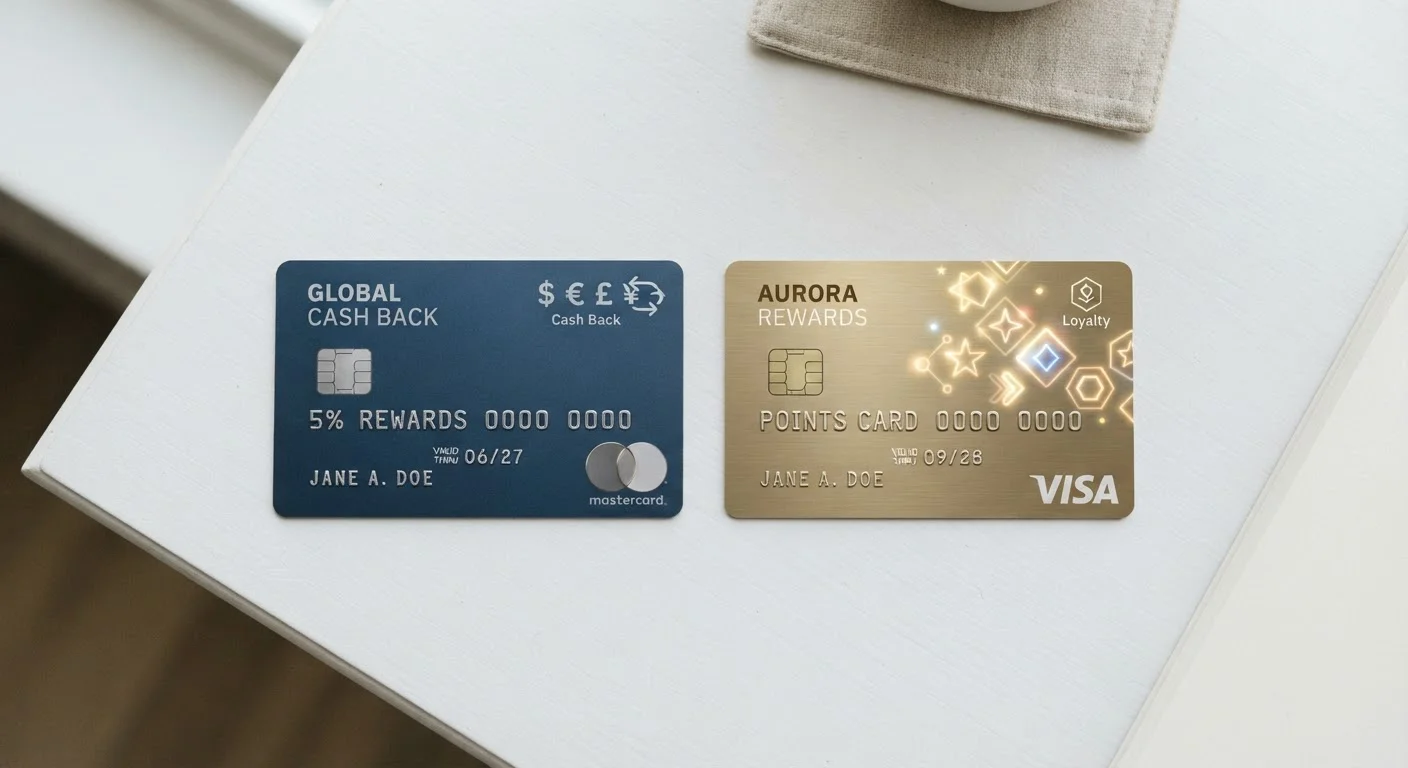
Photo: AdvisorBooth.net editorial
Key Takeaways
- Cash back rewards give a fixed percentage return with minimal effort or strategy required.
- Points values fluctuate based on how and when you redeem, making them harder to evaluate at face value.
- Both systems commonly include expiration dates, category caps, and minimum redemption thresholds.
- The 'better' system depends on your spending habits, not the program's headline rate.
- Fine print like blackout dates, devaluation clauses, and transfer fees can significantly reduce points value.
How Each System Actually Works
At the surface, both reward types look similar: spend money, earn something back. But the mechanics underneath are meaningfully different.
Cash back works like a rebate. For every dollar spent, you earn a set percentage - say 1.5% - returned to your account as a statement credit, deposit, or check. The value is fixed and transparent. One dollar of cash back is always worth one dollar.
Points programs assign a point value per dollar spent, but that value is variable. A point might be worth 0.5 cents when redeemed for gift cards but 1.2 cents toward a specific travel booking. The program controls what each redemption option is worth, and those values can change without advance notice. This is what makes points harder to evaluate - you're not earning a fixed return, you're earning a currency whose exchange rate shifts.
Understanding this distinction matters before choosing a rewards structure. For a broader look at how post-purchase factors affect real value, see how return policies and after-sale protections factor into value.
| Criterion | Cash Back Rewards | Points Rewards |
|---|---|---|
| Value clarity | Fixed - 1 dollar = 1 dollar | Variable by redemption type |
| Expiration risk | Low - usually no expiry | Higher - inactivity can void points |
| Devaluation risk | None | Common - program controls point worth |
| Category multipliers | Often capped quarterly | Can be higher, but conditions apply |
| Redemption complexity | Simple - statement credit or deposit | Higher - portals, partners, restrictions |
| Management required | Minimal | Active tracking recommended |
| Transfer flexibility | Not available | Available, sometimes with fees |
The Fine Print That Changes the Math
Both reward types come with conditions that can meaningfully reduce their value. Here's what to look for:
Cash Back Caveats
- Category caps: Many programs offer elevated rates (say, 5%) on groceries or gas but only up to a quarterly spending limit. Spending beyond that cap earns the lower baseline rate.
- Minimum redemption thresholds: Some programs require a minimum balance - often $20 or $25 - before you can redeem anything.
- Annual fees: A card earning 2% cash back with a $95 annual fee requires roughly $4,750 in annual spending just to break even on the fee.
Points Program Caveats
- Expiration: Points often expire after a period of account inactivity - sometimes as short as 12 months.
- Devaluation: Programs can and do reduce what points are worth, sometimes with little notice. A point worth 1.5 cents today may be worth 1.0 cent next year.
- Blackout dates and restrictions: Travel redemptions frequently come with restrictions that limit when and where you can use points at the advertised rate.
- Transfer fees: Moving points to a partner program may carry a fee that erodes the gain.
Points Devaluation: A Known Industry Practice
To understand how loyalty structures hold up more broadly, see what separates genuinely useful programs from those designed to keep you spending.
~$175
Average unredeemed rewards balance per cardholder
Consumer Financial Protection Bureau research has noted that a significant share of earned rewards go unredeemed, particularly in points-based programs where redemption is more complex.
0.5¢-2¢
Typical range of points value per point
Industry analyses of major points programs consistently show redemption value varies widely depending on the method chosen, with cash-equivalent redemptions often at the lower end.
Matching the Right Structure to Your Habits
Neither structure is universally superior. The right fit depends on how you actually shop, not how you intend to shop.
If your spending is spread across many categories without a clear dominant area, a flat-rate cash back structure is usually more practical. You earn consistently without needing to remember which card to use where.
If you concentrate spending in travel, dining, or a particular retailer's ecosystem, a well-matched points program can return more value per dollar - provided you redeem in the right categories before points expire or are devalued.
Also consider your redemption behavior. Points programs demand active management: checking balances, tracking expiration, comparing redemption options. If you're unlikely to do that regularly, a simpler cash back structure protects you from losing value you've already earned.
For a practical read on how shopping channel affects the value equation, compare online vs. in-store savings by category. And if you're weighing whether brand loyalty or comparison shopping plays into how you earn rewards, that trade-off is worth examining separately.
This article is for general informational purposes only and does not constitute financial or legal advice. Rewards program terms vary widely - always read the current terms and conditions of any program before enrolling or making spending decisions based on earning rates.
The content on this site is for informational purposes only and is not a substitute for professional advice. Always consult a qualified professional for guidance specific to your situation.