
Low-Impact Activities Worth Knowing About

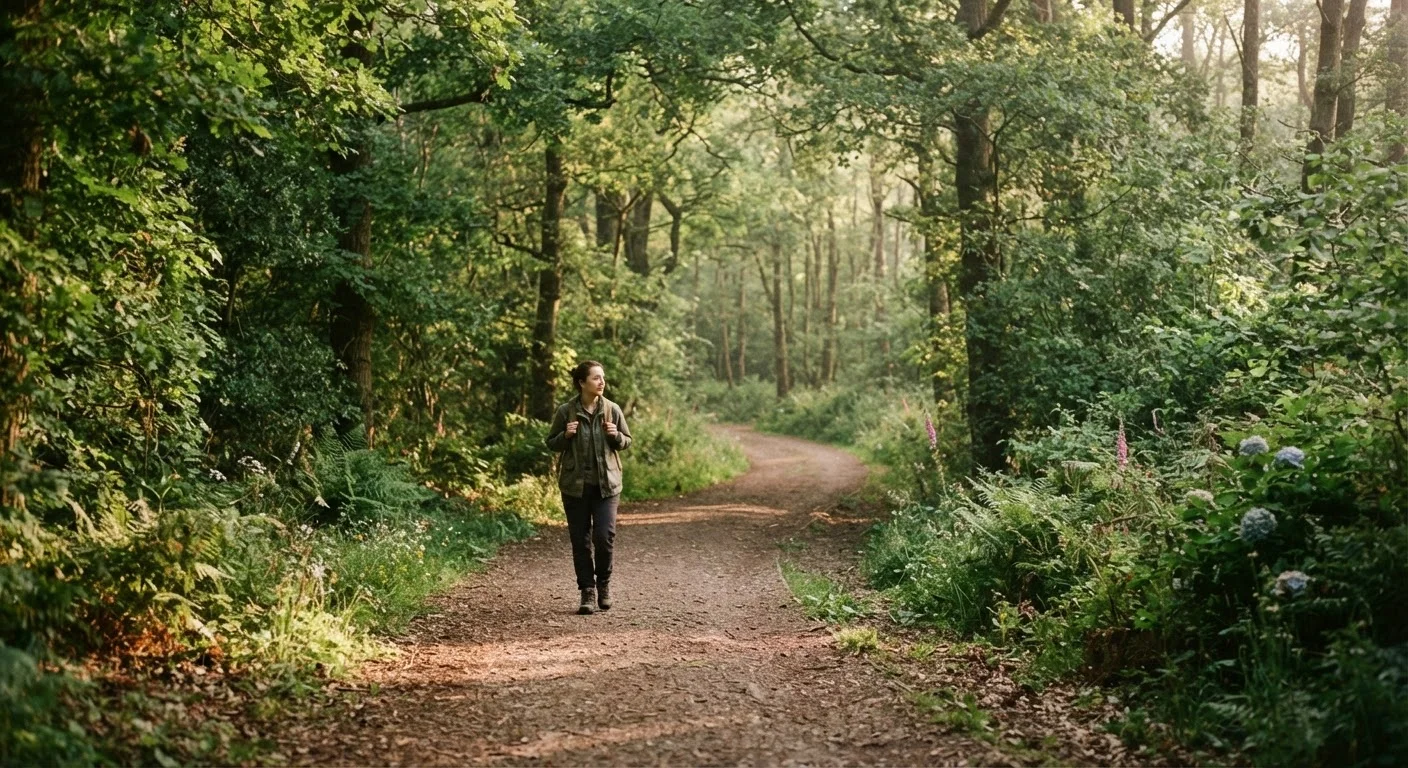
Photo: AdvisorBooth.net editorial
Key Takeaways
- Low-impact activities protect joints while still delivering meaningful cardiovascular and strength benefits.
- Options like swimming, walking, and yoga are accessible across a wide range of ages and fitness levels.
- Consistency over intensity is a well-supported principle for building lasting movement habits.
- Many low-impact activities can be done at home, outdoors, or in community settings with little equipment.
- Always consult a healthcare professional before starting a new activity if you have existing health conditions.
Why Low-Impact Movement Deserves More Credit
When most people picture exercise, they imagine something intense - running, heavy lifting, or high-energy classes. But research consistently supports the idea that gentler, lower-impact movement can deliver real health benefits, including improved cardiovascular health, better mood, and stronger muscles and bones, without the wear and tear that higher-intensity activity sometimes brings.
Low-impact activities are those that minimize the force placed on joints, particularly the knees, hips, and ankles. This makes them especially valuable for people managing joint pain, recovering from injury, returning to movement after a break, or simply looking for sustainable habits they can maintain over years - not just weeks. If you're just getting back into regular movement, our guide on returning to activity after a sedentary stretch offers a helpful starting framework.
The eight activities below aren't a ranked list or a prescription - they're a starting point for thinking about what kinds of movement might fit your life, your body, and your goals.
A Note on Individual Variation
Eight Low-Impact Activities Worth Exploring
Walking
Walking is perhaps the most accessible form of low-impact exercise that exists. It requires no equipment beyond supportive footwear, can be done almost anywhere, and scales easily - from a short stroll around the block to a brisk hour-long walk through a park. Public health guidelines from organizations like the CDC consistently cite regular walking as beneficial for heart health, mental well-being, and weight management. Even short bouts of walking throughout the day accumulate meaningfully over time.
Walking is free, flexible, and supported by decades of public health research.
Swimming and Water Aerobics
Water provides natural buoyancy that dramatically reduces joint stress, making swimming and water-based exercise popular choices for people with arthritis, chronic pain, or those recovering from orthopedic injuries. Swimming engages nearly every major muscle group and offers both cardiovascular and strength benefits. Water aerobics classes, often available at community pools and YMCAs, add a social element that many people find motivating.
Water's buoyancy makes swimming uniquely gentle on joints across all fitness levels.
Cycling (Stationary or Outdoor)
Cycling keeps most of your body weight supported, which reduces stress on the knees and hips compared with running or jumping. Stationary bikes allow you to control pace and resistance in a familiar setting, while outdoor cycling adds variety and fresh air. Recumbent bikes - where you sit in a reclined position - offer additional back support, which some people find helpful. Both formats are widely used in cardiac rehabilitation programs, which speaks to their well-established safety profile.
Cycling supports body weight effectively, making it easier on the knees than many alternatives.
Yoga
Yoga combines controlled breathing, mindful movement, and held postures to build flexibility, balance, and body awareness. It comes in many styles - from gentle restorative yoga to more physically demanding forms - so it's possible to find a version suited to almost any ability level. Research has associated regular yoga practice with reduced stress, improved sleep, and better functional mobility, particularly in older adults. It's also one of the few movement practices that explicitly addresses both physical and mental well-being in a single session. For a deeper look at how yoga-related practices differ, see the difference between stretching, mobility work, and flexibility training.
Yoga's variety of styles means nearly anyone can find a format that fits their body.
Tai Chi
Tai chi is a Chinese martial art practiced in slow, flowing sequences that emphasize balance, coordination, and controlled breathing. It's particularly well-studied in older adults, where evidence suggests it may help reduce fall risk - a significant concern as people age. Classes are widely available at community centers, and many instructors offer beginner-friendly sessions that require no prior experience. Tai chi can be practiced indoors or outdoors with no equipment.
Tai chi's slow, deliberate movements make it especially valuable for balance and fall prevention.
Elliptical Training
Elliptical machines simulate walking or running motion while the feet remain in contact with the pedals throughout - eliminating the impact of each footfall. This makes them a popular alternative for people who want a cardio workout that mimics jogging without the joint stress. Most elliptical machines also have moving handlebars that engage the upper body, offering a more full-body option than the treadmill. They're common in gyms and increasingly available as compact home units.
The elliptical replicates running's cardiovascular challenge without the repeated foot-strike impact.
Pilates
Pilates focuses on core strength, postural alignment, and controlled movement patterns. Originally developed for rehabilitation, it has since become widely popular in fitness settings. Mat-based Pilates requires minimal equipment, while reformer Pilates uses a spring-resistance machine found in studios. Both formats emphasize precision and breath coordination rather than speed or high exertion, making them well-suited to people building back strength or recovering from injury. As with any new activity, it's worth starting with a qualified instructor to ensure proper form.
Pilates builds core strength through precision - not intensity - making it rehabilitation-friendly.
Gardening and Active Outdoor Chores
It may not look like exercise, but gardening, raking, digging, and similar outdoor tasks involve sustained physical effort that engages muscles throughout the body. Studies have found that regular gardening is associated with reduced stress, improved mood, and moderate physical activity levels. It also tends to feel purposeful rather than exercise-for-its-own-sake, which many people find easier to maintain consistently. If you enjoy spending time outdoors, this kind of activity can be a natural complement to more structured movement. You can explore more about outdoor spaces at the Garden & Outdoors hub.
Gardening delivers real physical effort wrapped in purpose - a powerful recipe for consistency.
Start With What Feels Manageable
Finding What Works for You
The best movement habit is one you'll actually return to. Low-impact activities earn their reputation not just because they're gentle, but because they're genuinely enjoyable for many people - and enjoyment is one of the strongest predictors of long-term consistency.
It's worth remembering that "low impact" doesn't mean "low effort" or "less valuable." Many elite athletes use low-impact training as a core part of their routines. And for people managing chronic conditions, disabilities, or age-related changes in mobility, these options aren't a consolation prize - they're often the most intelligent choice available.
If you're thinking about how any of these activities might fit into a broader routine, building a movement routine that fits real life offers practical framing that goes beyond generic scheduling advice. And if you're curious about how low-impact movement compares to more structured exercise, structured workouts versus everyday movement is worth a read.
This article is for general informational purposes only and is not a substitute for professional medical advice. If you have a health condition, injury, or other concern, please consult a qualified healthcare provider before starting or changing any physical activity.
The content on this site is for informational purposes only and is not a substitute for professional advice. Always consult a qualified professional for guidance specific to your situation.