
Saving and Debt Management: An End-to-End Financial Roadmap

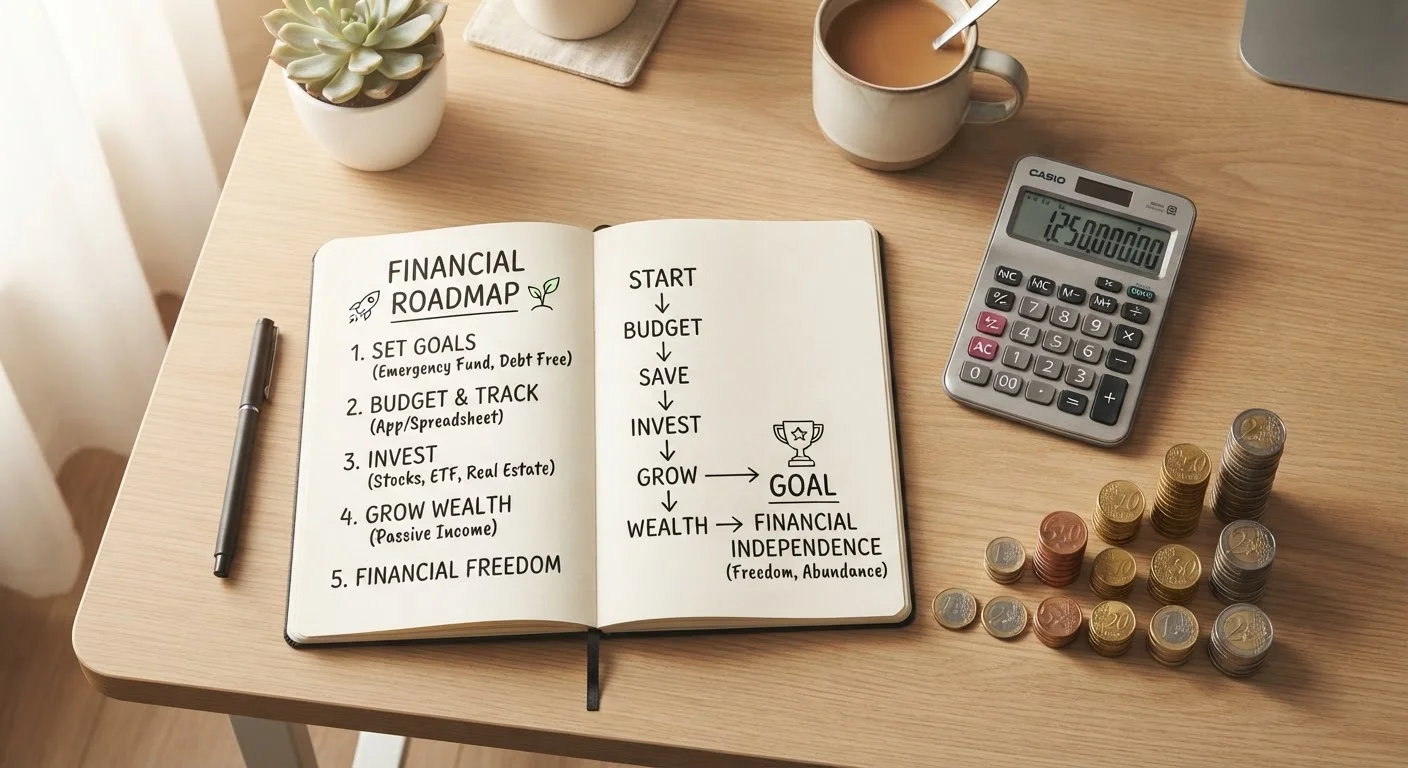
Photo: AdvisorBooth.net editorial
Key Takeaways
- A small emergency fund should come before aggressive debt payoff to prevent new debt from surprise expenses.
- High-interest debt, especially credit cards, typically costs more than savings can earn - pay it down first.
- The avalanche and snowball methods are two proven strategies for eliminating debt systematically.
- Once high-interest debt is gone, redirect those payments toward savings and lower-interest debt.
- A written budget is the connective tissue that holds every savings and debt strategy together.
Why You Need Both: Saving and Debt Management Together
Many people treat saving and debt payoff as opposing forces - as if every dollar used to build savings is a dollar wasted while debt charges interest. In reality, the two goals are deeply interdependent. Ignoring savings entirely while attacking debt leaves you one unexpected expense away from adding new debt. Ignoring debt while only saving means interest quietly erodes your progress.
The key is sequencing. A well-ordered financial roadmap assigns each dollar a job based on where it generates - or prevents - the most financial harm. Start with a clear monthly budget so you know exactly what you have to work with before allocating anything.
~$6,000
Average U.S. household credit card balance
According to Federal Reserve consumer credit data, revolving credit balances remain a significant financial burden for many American families.
40%
Americans who couldn't cover a $400 emergency
Federal Reserve surveys have consistently found that a large share of U.S. adults lack sufficient liquid savings for minor unexpected expenses.
3-6 months
Recommended emergency fund coverage
Most established personal finance frameworks recommend maintaining three to six months of essential expenses in accessible savings.
Step One: Build a Starter Emergency Fund
Before paying down anything beyond minimum balances, most financial educators recommend accumulating a small emergency buffer - commonly cited at $1,000 to one month of essential expenses. This isn't meant to replace a full emergency fund; it exists to absorb car repairs, medical copays, or appliance failures without forcing you back onto a credit card.
Keep this money liquid and separate - a basic savings account works fine at this stage. Once you hit your starter target, shift your full extra cash flow toward high-interest debt. The starter fund essentially insures your debt-payoff plan against derailment.
Keep Your Emergency Fund Separate
Step Two: Tackle High-Interest Debt Strategically
High-interest debt - typically credit card balances carrying annual percentage rates (APRs) above 15-20% - is almost always the most expensive item on a household balance sheet. No savings vehicle reliably generates returns that outpace that cost, which means every dollar of credit card debt you eliminate delivers a guaranteed, risk-free financial improvement equivalent to that interest rate.
During this phase, make minimum payments on all debts to protect your credit, then direct every extra dollar at your highest-cost balance. Revisit your spending habits with practical everyday saving strategies to free up more cash for payoff.
High-Interest Debt Costs More Than Savings Earn
Step Three: Grow Your Savings While Managing Remaining Debt
Once high-interest debt is cleared, your financial picture changes substantially. Lower-interest debts - student loans, auto loans, or mortgages - typically carry rates that are modest enough to warrant running savings growth in parallel rather than delaying it entirely.
At this stage, expand your emergency fund to cover three to six months of essential living expenses. Simultaneously, if your employer offers a workplace retirement plan with a matching contribution, contribute at least enough to capture the full match - that match represents an immediate, guaranteed return on your money that no debt payoff can replicate.
When you're ready to think further ahead, foundational investing concepts can help you understand where longer-term savings might go next.
Choosing a Debt Payoff Method That Works for You
Two well-known frameworks help people systematically eliminate debt:
- Avalanche method: Pay minimums on all debts; direct extra money at the highest-APR balance first. Mathematically minimizes total interest paid.
- Snowball method: Pay minimums on all debts; direct extra money at the smallest balance first. Delivers early psychological wins that reinforce momentum.
Neither method is objectively superior for every person. Research in behavioral economics suggests that the snowball method's early wins can sustain motivation, while the avalanche method is more cost-efficient on paper. Choose the approach you're more likely to stick with over months or years - consistency matters more than optimization.
List every debt with its exact APR before choosing a payoff method. Even a one or two percentage point difference between balances changes which account should receive priority under the avalanche approach.
When you pay off a debt, immediately put that freed monthly payment in writing as an allocation to the next financial goal - before the money has a chance to blend into everyday spending.
Building the Financial Foundation That Lasts
The end-to-end journey from first dollar saved to last debt paid isn't a sprint - it unfolds over years and requires periodic recalibration as income, expenses, and priorities shift. A few practices reinforce long-term success:
- Automate where possible. Automatic transfers to savings and automatic minimum payments on debt reduce the risk of missed steps.
- Reassign freed cash flow immediately. When a debt is eliminated, redirect that payment to the next financial priority within the same month - don't let it diffuse into general spending.
- Review quarterly. Life changes. A quarterly check-in on your budget, balances, and savings rate keeps the plan aligned with reality.
Personal finance is ultimately personal. The roadmap above reflects broadly accepted principles, but your specific income, obligations, and goals may call for different sequencing. Consider consulting a licensed financial professional for guidance tailored to your circumstances.
This article is for general informational and educational purposes only and does not constitute personalized financial, investment, tax, or legal advice. Consult a qualified financial professional before making decisions about your specific situation.
The content on this site is for informational purposes only and is not a substitute for professional advice. Always consult a qualified professional for guidance specific to your situation.